
Your roof does more than hold shingles in place. It protects your home from wind, rain, heat, and long-term moisture damage. Beneath those shingles sits a critical layer that many homeowners never see. That layer is the roof underlayment. When you plan a roof replacement or address ongoing leaks, knowing how underlayment works helps you make informed decisions that protect your investment.
What Is Roof Underlayment?
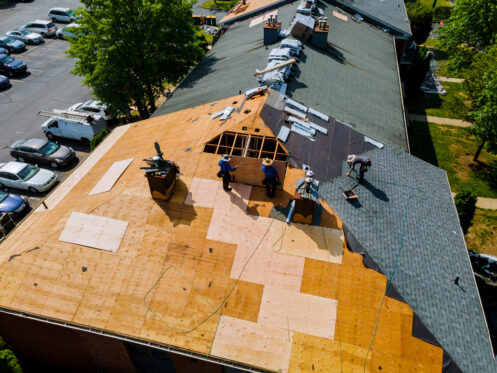
Roof underlayment is a water-resistant or waterproof barrier that sits between your roof deck and your shingles or other roofing materials. Contractors install it directly over the wood decking after removing old roofing materials.
This layer acts as a secondary line of defense. Shingles shed most of the water that hits your roof, but wind-driven rain, ice dams, and debris can allow moisture to slip underneath. Underlayment blocks moisture from reaching the decking.
Without underlayment, even minor shingle damage could lead to wood rot, mold growth, and insulation problems. The material also provides temporary protection during installation before crews install the final roofing surface.
Many homeowners discover the importance of underlayment only after they notice interior damage. When we inspect homes, we often find compromised or improperly installed underlayment as a contributing factor to roof leaks.
How Contractors Install Underlayment
Professional installation determines how well the underlayment performs. Even the best material will fail if crews install it incorrectly.
The process begins after roofers remove the existing shingles and inspect the decking. We check for soft spots, rot, or structural issues. If needed, we replace damaged decking sections to create a solid foundation.
Next, crews clean the surface and prepare it for installation. They roll out the underlayment horizontally across the roof, starting at the eaves and working upward toward the ridge. This method allows each upper layer to overlap the lower layer, which directs water downward and off the roof.
Installers secure the material using roofing nails or cap fasteners, depending on the material. They maintain proper seam overlap to prevent gaps. Around valleys, chimneys, vents, and skylights, crews take extra care to seal vulnerable areas.
In certain locations, especially along eaves and valleys, roofers may install a waterproof membrane before laying standard underlayment. That added layer protects areas where water tends to collect.
Once the underlayment covers the entire deck, crews install flashing and then apply shingles or other roofing materials. When homeowners invest in a roof replacement, this process ensures every layer works together as a protective system.
The Main Types of Roof Underlayment
Not all underlayment materials perform the same way. Each type offers distinct benefits depending on climate, roof design, and budget. Understanding these differences helps you choose the right option for your home.
Asphalt-Saturated Felt
Roofers have used asphalt-saturated felt for decades. Many people refer to it as tar paper or felt paper. Manufacturers create this product by saturating fiberglass or an organic mat with asphalt to improve water resistance.
Felt underlayment comes in different thicknesses, commonly labeled as #15 or #30. The thicker option provides greater durability and tear resistance during installation.
Asphalt-saturated felt offers a lower upfront cost than other underlayment options and moderate weather resistance. However, felt can absorb moisture over time. It may wrinkle if exposed to rain before the shingle installation. It also weighs more than modern alternatives. In humid or storm-prone regions, felt may not deliver the long-term performance that synthetic materials provide. Still, many homeowners choose felt for straightforward projects where budget remains a primary concern.
Synthetic Underlayment
Synthetic underlayment has become a popular choice in recent years. Manufacturers produce it from woven or spun polyethylene or polypropylene. These materials create a lightweight yet durable barrier.
Synthetic underlayment resists tearing, even in high winds. Crews find it easier to handle because it weighs less than felt and comes in larger rolls, which reduces the number of seams across the roof.
Synthetic products also resist UV exposure better than traditional felt. This feature gives crews more flexibility during extended installations. Many homeowners appreciate the added durability and long-term protection. Although synthetic underlayment typically costs more than felt, the improved performance often justifies the investment.
Rubberized Asphalt Underlayment
Rubberized asphalt underlayment offers the highest level of water protection. Manufacturers combine asphalt with rubber polymers to create a flexible, waterproof membrane. Many versions include a self-adhesive backing.
Installers peel away a protective film and press the membrane directly onto the decking. This adhesive bond creates a watertight seal, especially around fasteners.
Roofers often use rubberized asphalt underlayment in valleys, around chimneys, and along eaves where ice dams form. Some homeowners choose to cover the entire roof with this material for maximum protection.
This option carries a higher price than other underlayment materials, but it delivers unmatched defense against water intrusion. Homes in regions with heavy snow, driving rain, or hurricane conditions benefit the most from this level of protection.
Matching Underlayment to Your Climate
Climate plays a major role in selecting underlayment. Homes in hot, sunny areas face different challenges than homes in cold, snowy climates.
In warm regions with high UV exposure, synthetic underlayment often performs well because it resists heat and sun damage. In colder climates, where ice dams form along the roof edge, rubberized asphalt membranes provide critical waterproofing.
High-wind areas also demand stronger materials. Synthetic underlayment resists tearing better than traditional felt, which reduces the risk of exposure during storms.
At Jimmy's Roofing, we evaluate local weather patterns and roof design before recommending a product. We focus on long-term performance rather than short-term savings.
The Role of Underlayment in Overall Roof Performance
Roofing systems work as integrated assemblies. Decking provides structural support. Underlayment offers secondary water protection. Shingles or other surface materials shed most moisture and resist impact. Flashing seals joints and transitions.
If one layer fails, the entire roofing system suffers. Underlayment acts as insurance against minor roof failures in the outer layer. It also helps prevent shingle resin from bonding directly to the deck in high heat, which can simplify future replacements.
Quality underlayment also improves fire resistance ratings in some roofs. Building codes in many regions require specific underlayment types to meet safety standards. Choosing the right underlayment and ensuring proper installation strengthens your entire roofing system.
Making the Right Choice for Your Home
Selecting roof underlayment involves more than choosing the least expensive option. You must consider climate, roof pitch, local building codes, and long-term goals.
If you plan to stay in your home for many years, investing in a higher-performance underlayment may reduce the likelihood of roof leaks and future repairs. If you plan to sell soon, you may focus on meeting code requirements while keeping costs reasonable.
At Jimmy's Roofing, we walk homeowners through these considerations step by step. We explain material differences clearly and provide recommendations based on experience. We never treat underlayment as an afterthought because we understand how much it influences overall roof durability.
Protect Your Home From the Deck Up
Roof underlayment may remain hidden once installation finishes, but it plays an essential role in protecting your home. Our team provides expert roofing services and can help you determine the best underlayment options. We install, maintain, and repair all roofing systems, providing dependable solutions that protect what matters most.
Contact Jimmy's Roofing today to schedule your roofing evaluation in Spokane Valley.



 #thejimmysWAY