
The Pacific Northwest is known for rain, but the summer heat still affects asphalt shingles. Clear skies, UV exposure, and heat waves can slowly age roof materials. Many homeowners focus on leaks and moss while missing heat-related wear. That damage can become easier to spot before fall rain returns.
Hot weather and UV exposure can contribute to drying, stiffening, and wear in older asphalt shingles over time. UV exposure can also wear down the surface that protects the asphalt layer. When shingles have already endured years of rain and storms, summer heat can add to the stress. This guide explains warning signs, risk factors, and when to schedule an inspection.
Does Hot Weather Damage Asphalt Shingles?
Hot weather can certainly affect asphalt shingles over time. Asphalt shingles expand in heat and contract when temperatures cool. Repeated movement can make older materials brittle. Direct sunlight can also speed up aging.
Shingles have mineral granules that help protect the asphalt from sunlight. When granules wear away, the asphalt layer becomes more exposed. That can increase the likelihood of cracking, fading, and surface wear. Even moderate climates are not immune to long-term UV exposure.
Why Pacific Northwest Roofs Face Unique Challenges
Pacific Northwest roofs face a mix of wet winters and warmer summers. Seasonal temperature swings can stress roofing materials. Clear summer days increase UV exposure across Washington, Oregon, and Idaho. Aging roofs may show these effects more quickly.
Moisture also changes how roofs handle heat. Shingles damaged by winter rain, moss, or trapped moisture can become more vulnerable. When the summer sun dries and heats those weak spots, existing wear may become more noticeable or worsen. That is why this region needs both moisture and heat awareness.
- Wet winters and warm summers
- Long clear summer days
- Moisture-weakened shingles
- Aging roofs after storms
- Moss and debris buildup
Common Signs of Heat Damage on Asphalt Shingles
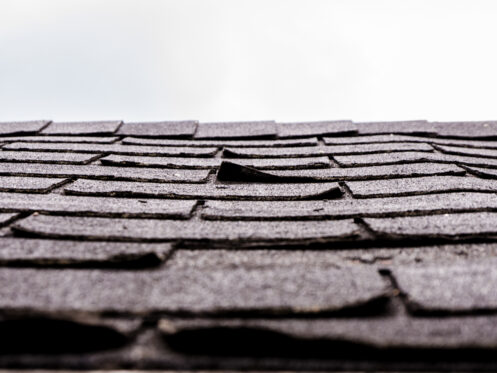
Heat damage often appears as surface changes. You may notice curling, cupping, cracking, or brittle shingle edges. Granules may collect in gutters or below downspouts. The roof may also look faded or uneven.
Some warning signs are visible from the ground. Others need a closer professional look. Do not climb onto a steep or damaged roof. A trained roofer can safely check the surface.
- Curling or cupping shingles
- Cracked or brittle materials
- Granules in gutters
- Fading or discoloration
- Early roof aging
How Heat and Moisture Work Together to Damage Roofs
Heat and moisture often create a cycle of roof wear. Winter rain can find small cracks and weak spots. Summer sun can then dry and widen those areas. The next rainy season may bring leaks through those same points.
The Impact of Winter Rain on Roofing Materials
Winter rain can test every layer of the roof system. Moisture may collect around moss, debris, flashing, or damaged shingles. Small cracks can hold water longer than healthy surfaces. This makes spring and summer inspections useful.
How Summer Heat Accelerates Existing Wear
Summer heat can make existing roof wear more noticeable. UV exposure can dry older shingles and reduce flexibility. Heat can also worsen curled edges and cracked surfaces. Damaged areas may then shed water less effectively.
Why Small Roofing Problems Can Become Bigger Issues
A small crack or curled edge may not look urgent. However, that opening can let rain move beneath the shingle. Heat can make the weak spot larger before storms return. Prompt roof repair helps reduce that risk.
Can Heat Damage Lead to Roof Leaks?
Heat-related shingle wear can raise the risk of roof leaks, especially when shingles are already cracked, curled, or missing granules. Damaged shingles do not shed water as well. Water can move beneath damaged areas during heavy rain. Once moisture reaches the decking, repairs may become more involved.
Flashing can also be affected by temperature changes. Expansion and contraction may loosen seals around vents, skylights, or chimneys. A roof weakened during summer may leak during fall storms. That makes late-season inspection especially important.
How Homeowners Can Protect Their Roofs During Hot Weather
Preventive care helps limit heat-related roof problems. Seasonal roof inspections can find subtle damage before rain returns. Damaged shingles should be addressed before cracks spread. Proper attic ventilation also helps reduce heat buildup under the roof deck.
Drainage and shade management are important too. Clear gutters help move water away after storms. Trimming branches can reduce debris and trapped moisture. These steps support a roof through both hot and wet seasons.
- Seasonal roof inspections
- Prompt shingle repairs
- Proper attic ventilation
- Clear gutters and drains
- Trimmed overhanging branches
When to Schedule a Roof Inspection
Late summer and early fall are smart times for roof inspections. Summer damage may be visible by then. Repairs can be handled before heavy rain returns. That timing can help reduce the chance that small issues become winter leaks.
You should also schedule service after heat waves or severe storms. An inspection is helpful when you notice granules, curling, or fading. Older roofs may need closer attention each year. Jimmy's Roofing offers roof inspections for homeowners across the region.
Schedule a Professional Roof Inspection with Jimmy's Roofing
Summer heat can quietly contribute to roof deterioration. That risk grows when heat follows wet weather in the Pacific Northwest. From small repairs to full replacements, Jimmy's Roofing helps protect homes and buildings. Our team focuses on quality work and lasting results.
Jimmy's Roofing has served the Northwest since 2001. We work on residential and commercial roofs across Washington, Oregon, and Idaho. If you are concerned about heat-damaged shingles, contact Jimmy's Roofing today to schedule a professional roof inspection in the Pacific Northwest.
Frequently Asked Questions
Heat-related shingle damage can be easy to overlook in the Pacific Northwest. These common questions explain how summer sun, attic ventilation, and heat waves can affect asphalt roofing. Use these answers to better understand when roof concerns may need a professional inspection.
Yes, heat and UV exposure can contribute to asphalt shingle wear in the Pacific Northwest. The region still gets clear summer days and heat waves. UV exposure can age roofing materials over time. Wet winters can also make existing weak spots worse.
Asphalt shingles can become much hotter than the outdoor air. Darker shingles usually absorb more solar heat than lighter materials. Roof temperature depends on color, ventilation, slope, and sun exposure. Hot surfaces can add stress to aging shingles.
Common warning signs include curling, cracking, brittleness, and missing granules. You may also notice fading or uneven shingle color. Granules in gutters can signal surface wear. A roofer can confirm whether heat contributed to the damage.
Yes, attic ventilation can help reduce heat buildup. It allows hot attic air to move out. It also helps remove moisture during colder months. Good airflow supports better roof performance through seasonal changes.
A ground-level visual check is reasonable after a heat wave. Look for curling, cracked shingles, and heavy granule loss. Avoid climbing onto the roof yourself. Schedule a professional inspection if anything looks unusual.











 #thejimmysWAY