
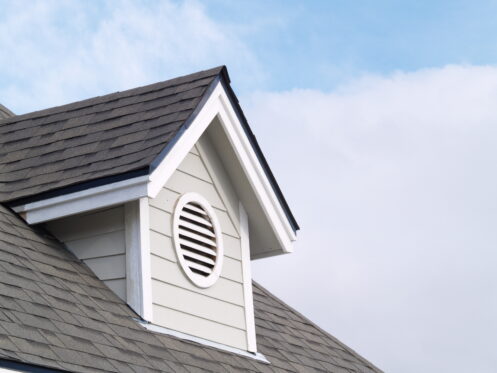
Your roof does more than shield your home from rain and sun. It also helps regulate airflow through the attic, which affects moisture levels, insulation performance, and the condition of the roofing materials above. When ventilation stops working the way it should, heat and moisture can begin to build inside the attic space without obvious warning. At Jimmy's Roofing, in Seattle, WA, we help homeowners identify early ventilation problems and correct them before hidden damage develops in the attic or roof structure.
Why Roof Ventilation Problems Often Start Quietly
Roof ventilation failure rarely occurs with one dramatic event. It usually begins with small shifts in attic conditions that are easy to miss. Warm air may stop moving out as efficiently as it should. Moisture may linger longer after temperature changes. Because these changes happen gradually, many homeowners do not realize anything is wrong until signs appear inside the house or on the roof.
Your attic depends on a steady flow of air. Intake vents bring outside air in, and exhaust vents allow trapped heat and moisture to leave. When one part of that balance breaks down, the attic starts holding more heat or humidity than it should. This can happen because vents are blocked, insulation shifts into the airflow path, or the vent layout was never balanced correctly to begin with.
Attic Heat That Feels Extreme Even on Mild Days
One of the clearest early signs of poor roof ventilation is an attic that feels far hotter than expected. Attics get warm, of course, yet there is a difference between normal summer warmth and trapped heat that feels intense the moment you open the hatch. If the air inside feels stale and heavy even when the outside weather is mild, the ventilation system may not be moving air the way it should.
That trapped heat affects more than comfort. It can warm the underside of the roof deck, raise the temperature of shingles from below, and put extra strain on the materials that protect your home. It can also affect rooms below the attic. You may notice the upper floors feeling harder to cool, or one side of the house warming up faster in the afternoon, even when your HVAC system is running.
Heat buildup can also signal an imbalance rather than total blockage. You may still have some vent activity, just not enough intake or exhaust to move air consistently through the entire attic. In that case, one section may feel much hotter than another.
Moisture Clues Near Insulation, Framing, and the Roof Deck
Moisture is one of the biggest risks tied to poor roof ventilation, especially because it can cause damage long before you see a stain on a ceiling. In an attic with weak airflow, humid air can collect and settle on cooler surfaces. That moisture may show up as damp insulation, darkened wood, or a slight sheen on the roof deck during colder parts of the year.
You do not need standing water for a problem to exist. Sometimes, the signs are more subtle. Insulation may look compressed or matted in certain spots. Wood framing may appear darker around joints. Nails that come through the roof deck may show rust at the tip. These are all clues that moisture is spending too much time in the attic instead of moving out through proper airflow.
Left unchecked, repeated moisture exposure can weaken wood and reduce insulation performance. Once insulation holds moisture, it does not do its job as well. That means the attic can become even more vulnerable to temperature swings, which then feeds the ventilation problem further.
Shingles That Age Unevenly or Wear Out Too Soon
Ventilation problems can shorten the life of roofing materials, though the early clues are not always obvious unless you know what to look for. If one part of the roof seems to wear faster than another, trapped attic heat may be part of the reason. Shingles that sit above poorly ventilated areas can age under different conditions from shingles above healthier airflow zones.
You may notice some sections looking more faded, more brittle, or more curled than others. Granule loss may appear heavier on one roof plane. In some cases, the roof looks older than it should for its actual age. This kind of uneven wear is worth noticing because it may not come from weather exposure alone. Heat trapped below the roof deck can affect how roofing materials expand, dry out, and hold their shape across seasons.
Musty Smells and Air That Feels Off Inside the House
Sometimes, the first clue does not come from the attic. It comes from the way the house smells or feels. Poor roof ventilation can affect indoor air, especially in homes where attic conditions begin influencing upper ceilings, wall cavities, or nearby insulation. You may notice a musty odor in an upstairs closet, hallway, or bedroom long before you see visible damage.
This kind of smell often gets stronger during weather swings. Warm afternoons, cool mornings, or rainy stretches can make hidden moisture more noticeable. The air may feel heavier upstairs, or one room may feel stuffy in a way that does not match the rest of the home. These are not always HVAC problems. They can be the result of attic moisture and weak airflow, changing the environment above the ceiling.
What Blocked Intake Vents Can Do to the Entire System
Many homeowners hear about ridge vents or roof vents and assume those are the main parts to watch. Intake vents matter just as much. In many homes, the intake sits lower along the roof edge, where outside air enters the attic before moving upward and out. If those lower vents get blocked, the whole ventilation system loses balance.
One common problem is insulation shifting into the intake path. Over time, attic insulation can settle or spread toward the eaves and reduce the opening that outside air needs to enter. From the living space, nothing looks wrong. From the roof, the upper vents may still appear intact. Yet the system struggles because fresh air never enters properly in the first place.
Blocked intake vents can make the attic act like a sealed container. Heat builds. Moisture lingers. Exhaust vents have less air to pull through the space. Healthy roof ventilation depends on movement, and movement cannot happen well without a clear place for air to enter.
Why Professional Inspection Matters Before Damage Spreads
Roof ventilation issues are not always easy to confirm from one symptom alone. Heat buildup, moisture signs, aging shingles, and indoor odors can each point in the same direction, though they can also overlap with other home issues. That is why a professional inspection matters. A trained eye can look at the attic as a system instead of chasing one isolated clue.
A roofing professional can evaluate intake and exhaust balance, look for blocked airflow paths, inspect insulation placement, and check the roof deck for early signs of heat or moisture stress. They can also tell the difference between a roof leak and ventilation-related moisture, which matters because the repair plan is not the same. If you solve the wrong problem, the attic conditions continue changing, and the damage keeps moving.
Protecting Your Roof Through Proper Ventilation
Roof ventilation problems often develop quietly, though the effects can spread through insulation, roofing materials, and attic framing if airflow remains restricted. Catching these issues early can prevent moisture buildup, structural wear, and premature roof deterioration. At Jimmy's Roofing, we help homeowners evaluate attic airflow, repair damaged roof vents, and address roofing concerns that affect ventilation performance. If you have noticed warning signs in your attic or roof system, schedule an inspection with us and let our team help restore proper airflow before ventilation problems lead to larger repairs.










 #thejimmysWAY