
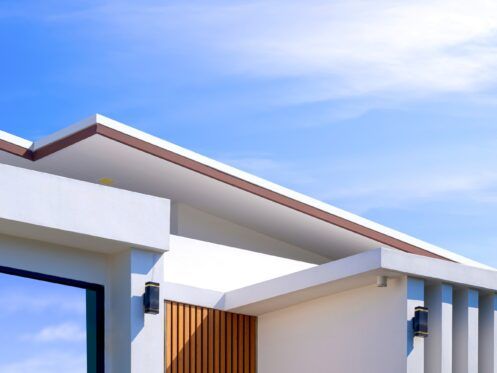
Choosing a flat roof for your home in Idaho offers a modern, space-efficient alternative to traditional pitched roofing. While more commonly seen on contemporary-style homes, flat roofs have a variety of applications. This is because they are an affordable option with a clean aesthetic and practical advantages.
Since the weather in Idaho varies significantly throughout the year, you will need a team that can provide careful planning and proper installation to ensure optimal performance. Understanding both the benefits and challenges of flat roofing for your home can help you and your family make an informed decision that aligns with your lifestyle, budget, and design goals.
Pros of a Flat Roof
Flat roofs can be a practical and cost-effective option for homes in Idaho. When properly designed and installed with the region’s weather in mind, a flat roof offers long-term benefits in terms of affordability, energy efficiency, and functionality.
Cost Effective Installation
Most flat roofs require fewer materials to construct, making the roof installation process more cost-effective. In addition to using fewer materials, this type of roof has a simpler design that requires less labor to build.
Safer Access for Maintenance Checks
Flat roofs provide safer access for maintenance checks due to the level surface they offer. It provides a stable and secure space on which to walk when you need repairs. This enables tasks such as inspecting equipment, including HVAC units, solar panels, or drainage systems. This safer access simplifies routine maintenance, encourages more frequent inspections, and helps extend the lifespan of rooftop systems.
Efficient Use of Space
Flat roofs are an efficient use of space because they create a functional area that is usable in various practical ways. Sloped roofs offer limited accessibility. However, flat roofs offer space that can accommodate HVAC systems, solar panels, or even rooftop gardens and outdoor living spaces without compromising the structure.
This added utility is valuable for your home, especially if you have limited yard space. Flat roofs can also make future expansions to your home easier to accomplish because they offer flexibility in how the space evolves.
Potential for More Energy Efficiency
Flat roofs have the potential to be more energy efficient due to their structure and compatibility with modern roofing technologies. They are ideal for installing cool roofing materials that help reduce heat absorption. This material reflects more sunlight and absorbs less heat, keeping indoor temperatures more stable and lowering the AC demands. Flat roofs also provide an optimal surface for installing solar panels. With fewer obstructions and more direct sun exposure, solar energy systems can operate more efficiently.
Modern Aesthetic Appeal
These roofs offer a modern aesthetic appeal that aligns well with contemporary architectural trends. Their clean, horizontal lines create a sleek, minimalist appearance that sharply contrasts with the pitched roofs typically found in traditional homes. This modern profile is particularly appealing, especially if you appreciate simplicity, geometric design, and a sleek exterior.
The versatility of flat roofs adds to their visual appeal, allowing us to create bold and innovative facades. This can help your home stand out from your neighbor’s when it comes to style. Additionally, flat roofs provide design flexibility for features such as rooftop decks. These additions not only enhance the visual impact of the home but also increase functionality without sacrificing curb appeal.
Cons of a Flat Roof
While flat roofs offer several benefits, they also come with specific disadvantages. These can be relevant in a climate found in Idaho, which experiences snow, rain, and significant temperature fluctuations.
Inadequate Drainage
Flat roofs have less effective drainage compared to pitched roofs since they lack a natural slope that enables water to flow off easily. Rather than quickly shedding rainwater or melting snow, flat roofs depend on built-in drainage systems to direct water away from the surface. If a clog develops in the system, water may start to collect on the roof.
Standing water, also known as ponding, can lead to several serious issues. It raises the likelihood of leaks, promotes mold and algae growth, and accelerates the deterioration of the roofing materials. In colder climates, trapped water can freeze and thaw repeatedly, causing structural damage due to the expansion and contraction of the ice.
Snow Accumulation
Snow accumulation can pose significant challenges for flat roofs. Unlike sloped roofs that allow snow to slide off naturally, flat roofs have no incline for the snow to shed. As a result, the snow will remain on the surface until it melts or is manually removed. This prolonged buildup significantly increases the weight of the roof structure, potentially straining it to the point of failure. The roof is not meant to support heavy loads, so this extra weight may cause it to sag.
Higher Maintenance Needs
One of the main reasons for this increased maintenance is the lack of natural drainage. Since flat roofs don’t shed water as easily, rain, snow, and debris tend to accumulate, which can result in standing water. This degrades roofing materials, leading to leaks and compromising the roof’s structural integrity. Additionally, the roofing material on flat surfaces is often exposed to direct sunlight and extreme temperature fluctuations. These conditions lead to excess cracking, blistering from the sun, and wear and tear of the roofing material.
More Heat Absorption
Flat roofs absorb and retain more heat than sloped roofs. Since the surface is directly exposed to the sun for longer periods throughout the day, it absorbs more solar radiation. Since the roof is flat, it traps heat, leading to higher surface temperatures.
This increased heat absorption causes the interior of your home to become warmer. As a result, your cooling system may have to work harder to maintain a comfortable temperature. This will increase energy consumption and utility costs during the hotter months.
Shorter Lifespan
Flat roofs usually have a shorter lifespan than pitched roofs, due to their structural design and the materials typically used in their construction. A major reason for this shorter lifespan is their limited capacity to shed water. Water lying on the roof leads to gradual degradation of the roofing materials, increasing the risk of leaks and water damage.
Flat roofs have prolonged exposure to UV rays and temperature fluctuations as well, both of which can be damaging. In addition, the weight of accumulated snow and ice strains the structural integrity of a flat roof. Without proper maintenance, these issues worsen and shorten the roof’s lifespan.
Contact a Reliable Roofing Company Today
A flat roof is a viable option in Idaho with quality installation, proper drainage planning, and ongoing maintenance. This will help to offset the disadvantages caused by unpredictable weather in the area. If you are considering this style of roof for your home, work with one of our experienced roofing professionals at Jimmy's Roofing. We have been servicing the communities of Spokane, Seattle, and Portland since 2001, so we are familiar with local climate conditions.
Trust us to build a beautiful roof on your home. Contact us at Jimmy's Roofing today for a consultation or to schedule roofing repairs that your home needs.









 #thejimmysWAY