
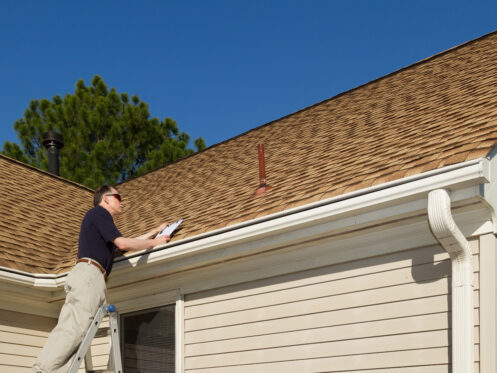
As the summer sun beats down on Coeur d’Alene, local homeowners focus on keeping living spaces cool. Your air conditioner works hard, but another critical system protects your home from intense heat: roof ventilation. Often overlooked, proper attic ventilation is essential for maintaining structural integrity and improving energy efficiency.
An effective ventilation system creates continuous airflow through your attic, pushing out superheated, moist air and drawing in cooler, drier air from outside. This simple process prevents many expensive problems. At Jimmy's Roofing, we know a healthy roof is more than just shingles; it’s a complete system protecting your entire home.
How Poor Ventilation Affects Your Home in Coeur D’Alene
When your attic can’t breathe, you’ll notice it, especially on a hot summer day. A poorly ventilated roof traps heat and moisture, creating a chain reaction of issues that impact energy bills and roof lifespan.
Heat Buildup in the Attic
Without adequate airflow, your attic can become a superheated oven on a sunny day, with temperatures soaring to 150 degrees Fahrenheit or higher. This intense heat radiates downward through your ceiling and insulation, forcing your air conditioning to work harder to keep your living areas comfortable.
Increased Cooling Costs
This extra AC work translates directly into higher energy bills. When your attic is excessively hot, your cooling system runs longer and more frequently to combat heat seeping into your home. Improving attic ventilation is one of the most effective ways to reduce thermal transfer and lower summer utility costs.
Premature Roof Material Wear
Extreme heat is a primary enemy of roofing materials. Shingles are designed to withstand elements, but constant exposure to intense heat trapped in an unventilated attic can cook them from the inside out. This can cause shingles to become brittle, curl, and crack, shortening their lifespan and leading to costly roof repairs or a premature replacement.
How Proper Ventilation Regulates Temperature and Moisture
A properly designed ventilation system works on a simple principle: convection. As the sun warms your roof, attic air heats, becomes lighter, and rises. Exhaust vents, typically near the roof’s peak, allow hot air to escape. Intake vents, usually placed in the soffits or eaves, pull in cooler, denser air from outside to replace escaping hot air.
This constant, passive circulation prevents extreme heat buildup and removes moisture from the attic. Moisture from daily household activities like cooking and showering, if trapped, can lead to mold, mildew, and rot in the roof deck and structural supports.
Common Signs Your Roof Ventilation Isn’t Working
It can be difficult to know if your ventilation system is performing correctly. However, several warning signs exist for homeowners. If you notice any of these issues, it indicates your attic may not be breathing properly.
- Hot spots on ceilings or walls
- Higher summer energy bills
- Ice dams forming along roof edges in winter
- Warping, cracking, or blistering shingles
- Stuffy or overly warm second floor
- Visible moisture, frost, or mold on roof decking
Types of Roof Ventilation Systems
No one-size-fits-all solution exists for roof ventilation. The best system depends on roof design, attic size, and local climate. A professional roofer can help you determine the right combination of intake and exhaust vents for a balanced and effective system.
Ridge Vents and Soffit Vents
This is the most common and often most effective passive ventilation system. Soffit vents under the eaves serve as intake, drawing cool air in. A ridge vent, running along the roof’s peak, acts as the exhaust. This combination creates a natural, continuous airflow that evenly ventilates the entire attic from bottom to top.
Gable Vents
Gable vents are screened openings in a home’s gable ends, near the roof’s peak. They rely on wind to create airflow across the upper portion of the attic. While they can provide some ventilation, they are generally less effective than a ridge-and-soffit system and can interfere with proper airflow if combined with other vent types.
Powered Ventilation Options
For homes with complex rooflines or insufficient passive vent space, powered options are a good solution. These include electric or solar-powered attic fans that actively pull hot air out. While effective, they must be paired with adequate intake vents to avoid creating negative pressure, which could pull conditioned air from living spaces into the attic.
How Idaho’s Climate Impacts Ventilation Needs
Coeur d’Alene experiences a distinct four-season climate. Summers can be hot and dry with intense sun, while winters bring cold and snow. This dynamic weather makes a balanced ventilation system crucial year-round. In summer, the primary goal is to vent extreme solar heat gain, protecting shingles and reducing cooling loads.
In winter, the focus shifts to moisture control. A properly ventilated attic stays cold, preventing snow on your roof from melting and refreezing at the eaves, which primarily causes destructive ice dams. Proper airflow vents internal moisture safely outside before it condenses on cold surfaces and causes damage.
When to Have Your Roof Ventilation Evaluated
Have your roof ventilation checked during a routine inspection, especially if your home is over 10 years old or shows warning signs. An evaluation is also critical if planning a roof replacement, as this is the perfect time to correct existing issues.
As GAF Master Elite certified professionals with over two decades of experience, our team at Jimmy's Roofing can perform a thorough assessment of your ventilation system, checking that it provides adequate airflow for your home’s needs. We take a proactive approach to residential roofing in Coeur d’Alene.
Improve Comfort and Protect Your Roof Year-Round
Proper roof ventilation is a critical component of a healthy, long-lasting roofing system. It protects your home from heat damage, lowers energy costs, and prevents moisture issues.
If you have concerns about your roof’s performance or suspect inadequate ventilation, don’t wait for problems. Contact our experts at Jimmy's Roofing for a comprehensive roof evaluation in Coeur d’Alene, ID, today.
FAQs
Proper ventilation significantly lowers attic temperatures, which can reach 150 degrees. Venting this extreme heat reduces the heat load on your home’s ceiling and insulation. This means your air conditioner runs less to maintain comfort, leading to noticeable savings on summer energy bills.
Absolutely. Trapped heat can bake your shingles from underneath, causing them to degrade, curl, and lose protective granules prematurely. Trapped moisture can lead to mold and mildew, and even cause the wooden roof deck and structural supports to rot.
A simple test is to carefully touch your ceiling on a hot, sunny afternoon. If it feels warm, it indicates significant heat is radiating from the attic. Other indicators include a second story much warmer than the first floor or an AC system running constantly without effectively cooling the house.







 #thejimmysWAY